Gem in the Spotlight: Pearl
Adored across the ages for purity and beauty
Pearls have captured the imagination and adoration of people from diverse backgrounds throughout history. They are both simple and infinitely complex. Let’s explore the science, history, and lore surrounding this most unique gem.
How Are Pearls Formed?
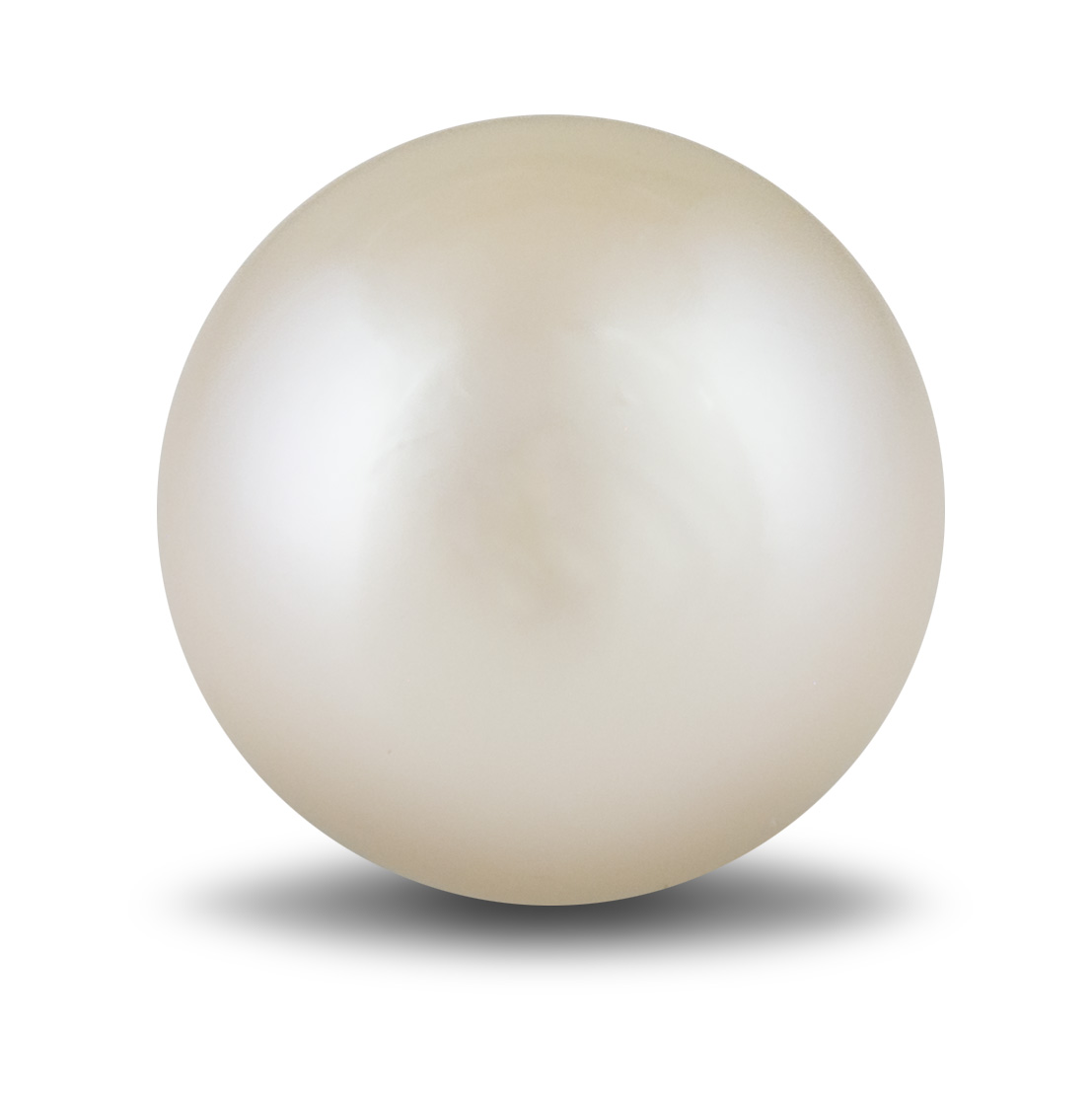 Pearls are formed when a foreign object enters the shell of a mollusk and irritates the soft mantle tissue within. In response to the irritant, the mollusk secretes a substance called nacre to coat the object and protect itself. Over time, layer upon layer of nacre is deposited around the irritant, eventually forming a pearl. This process can occur naturally or via human intervention.
Natural pearls grow in the wild without human intervention. They are very rare, and most natural pearls on the market today are antique. They can take years, even decades, to form, and are found only in a few select locations around the world. The process by which they are created is completely unpredictable, and as a result, natural pearls come in a wide range of shapes, sizes, and colors. They are typically irregular in shape and have a unique, organic beauty.
Cultured pearls are created through human intervention, and the vast majority of pearls available today are cultured. A small bead or piece of tissue is implanted into the mollusk’s shell, which then secretes nacre around it, just like it would with a natural irritant. The resulting pearl is virtually indistinguishable from a natural pearl in appearance, and can be created in a fraction of the time. Because of this, cultured pearls are far more common and affordable than natural pearls.
Cultured pearls are considered “real” or genuine pearls. Fake or imitation “pearls” would refer to beads or objects that are made to look like pearls but are in fact a different material altogether (e.g. plastic, shell, or some type of composite).
History and Notable Pearls
Pearl is the traditional birthstone of June and is a favorite gem for weddings. Natural pearls have been discovered and cherished for hundreds of years. Only more recently have cultured pearl farming techniques been introduced that have made these incredible gems more widely accessible.
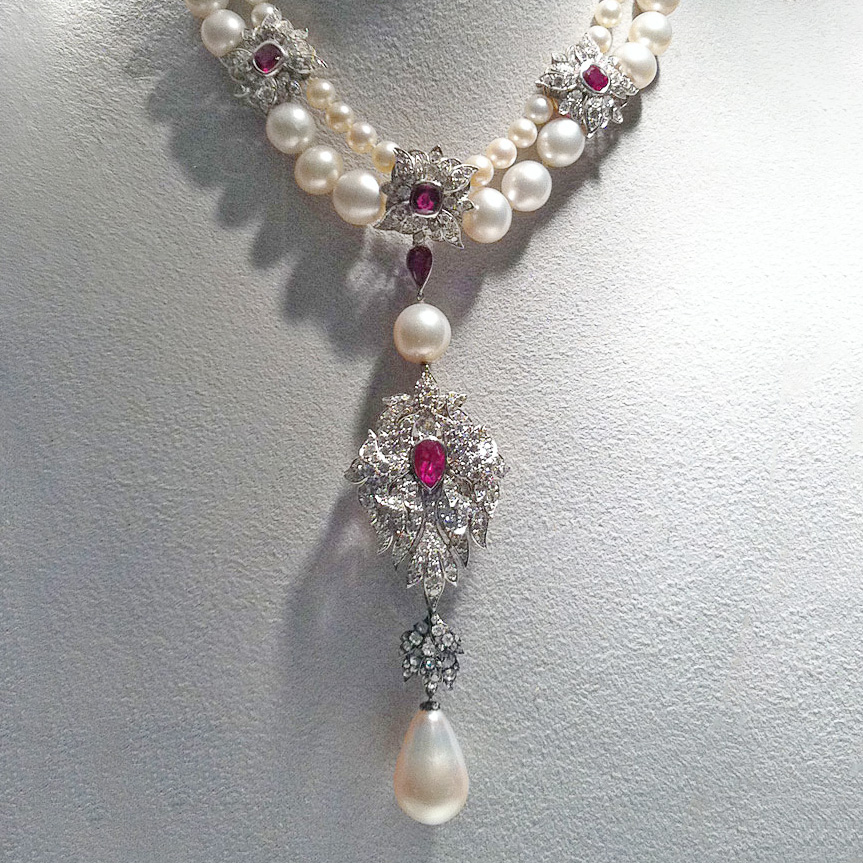
The La Peregrina pearl is one of the most famous natural pearls in the world, and it has a fascinating history that spans over 500 years. The pearl was first discovered off the coast of Panama in the 16th century. Over the years, the La Peregrina pearl changed hands many times, and was owned by several famous figures, including Napoleon III and Elizabeth Taylor. During Taylor’s ownership, the pearl was set into a necklace designed by Cartier, which also included diamonds and rubies.
The La Peregrina pearl is one of the largest and most perfectly symmetrical natural pearls in existence. It weighs approximately 50 carats and is considered to be one of the most valuable pearls in the world.
The Hope Pearl is believed to have been discovered off the coast of Bahrain in the 16th century and was subsequently owned by a number of prominent figures, including the Sultan of Turkey and the French Crown Jewels.
The Hope Pearl is known for its large size and unusual shape. It weighs approximately 450 carats and is shaped like a teardrop, with a slightly elongated top section and a wider, more rounded bottom section. The pearl has a beautiful iridescent quality, with a range of colors that shift and change depending on the lighting and angle.
One of the most interesting things about the Hope Pearl is its connection to the famous Hope Diamond. It is believed that the Hope Pearl was once part of a larger piece of jewelry that also included the Hope Diamond, and that the two gems were separated during the French Revolution. Today, the Hope Pearl is owned by a private collector and is occasionally displayed at museums and exhibitions around the world.
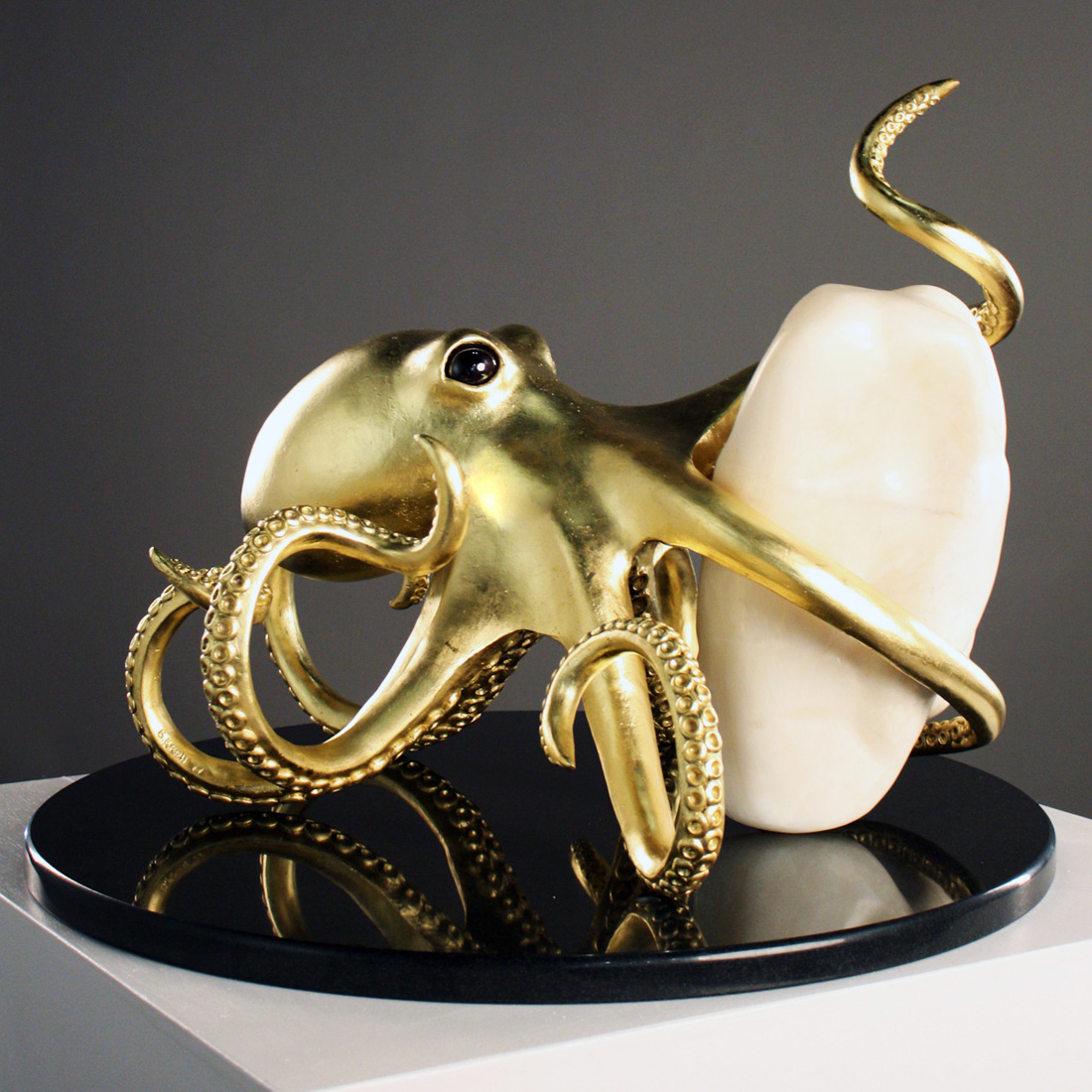
The Giga Pearl is the largest pearl ever found to date, and it is considered to be a natural wonder. It is a giant clam pearl that weighs over 60 pounds. The pearl was discovered by a Canadian fisherman who found it inside a giant clam that he had caught off the coast of the Philippines.
The Giga Pearl has a unique shape and texture, with a baroque surface that is covered in a range of colors and patterns. It has been described as a work of art, with a level of detail and complexity that is rare in natural pearls.
Mythology and Folklore of Pearls
Pearls have been recognized as the emblem of modesty, chastity and purity, and they have come to symbolize a happy marriage. Often associated with love and tears, pearls were dedicated to Aphrodite, the Greek goddess of love, and symbolized the tears of Venus, the Roman goddess of love.
In antiquity, pearls were said to prevent newlywed women from shedding any tears. Islamic cultures cherished pearls because they were believed to represent Adam and Eve’s tears and, more generally, the tears cried by those in pain.
The La Peregrina pearl also has a fascinating mythology surrounding it. The pearl is said to have been discovered by the devil himself and was once owned by a Spanish king who believed it to be a talisman of good luck.
Types of Pearls
There is a huge variety of pearls available on the market today. This section will give you just a small sampling of the different kinds of pearls that you may run into.
- Saltwater and Japanese Akoya Pearls: These pearls are grown in oysters or mollusks that live in saltwater environments. They come in a wide range of colors, shapes, and sizes, and they are generally considered to be of a higher quality than freshwater pearls. They are also typically more expensive. Some of the most famous types of saltwater pearls include the South Sea pearls, Tahitian pearls, and Akoya pearls. Akoya pearls, grown in Akoya oysters found in Japan and China, were first introduced in the early 1900s and quickly became popular due to their high quality and consistency.
- Freshwater Pearls: Grown in freshwater mussels rather than saltwater oysters, they are typically produced in the rivers and lakes of China, the United States, and Europe. Because they can be grown in large quantities, freshwater pearls are generally less expensive than saltwater pearls. In the past, they were known for their irregular, baroque shapes. Over time, however, freshwater pearls have increased in quality, and today they are very difficult to tell apart from their saltier cousins.
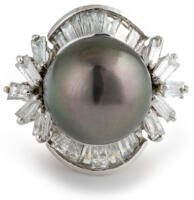
- Tahitian Pearls: Also known as black pearls, Tahitian pearls are a type of saltwater pearl that are grown primarily in French Polynesia. They are known for their dark, rich colors, which range from dark green and gray to deep shades of blue and black. Tahitian pearls are generally large with an average size of 9mm to 18mm, and they commonly have baroque or irregular shapes.
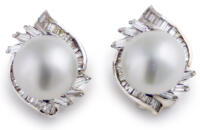
- South Sea Pearls: Only a small percentage of oysters are able to produce these large, high-quality pearls, and the process of growing them is extremely delicate and time-consuming. As a result, South Sea pearls are often much more expensive than other types of pearls. They are some of the most valuable and sought-after types of pearls in the world. Their unique nacre gives them a stunning, almost glowing appearance that is highly prized by pearl collectors and jewelry designers.
- Mabe Pearls: Also known as a blister pearl, mabe pearls are grown against the inside shell of a mollusk, rather than within the body of the mollusk itself. This creates a flat, rounded pearl that has a distinctive shape and appearance. Mabe pearls are typically used in jewelry designs that require a flat surface, such as earrings, pendants, and rings.
- Seed Pearls: These are very small pearls, typically less than 2mm in diameter, that are so named because they resemble the size and shape of a seed. They are formed in the same way as larger pearls only a smaller nucleus is used. They are traditionally used as decorative accents in fine jewelry with many of them set together to create intricate, textured patterns.
What Makes a Pearl Valuable?
There are several factors that can effect the value of a pearl. Understanding these factors can help you make an informed decision when purchasing pearls.
- Size: The size of the pearl is one of the most important factors that effects its value. In general, the larger the pearl, the more valuable it is.
- Shape: Pearls come in a variety of shapes, from round to teardrop to baroque. Round pearls are typically the most valuable, while irregularly shaped pearls are generally less valuable unless they are very rare like the famous natural pearls we have discussed. Pearls come in seven basic shapes: round, near-round, button, drop, oval, semi-baroque, and baroque.
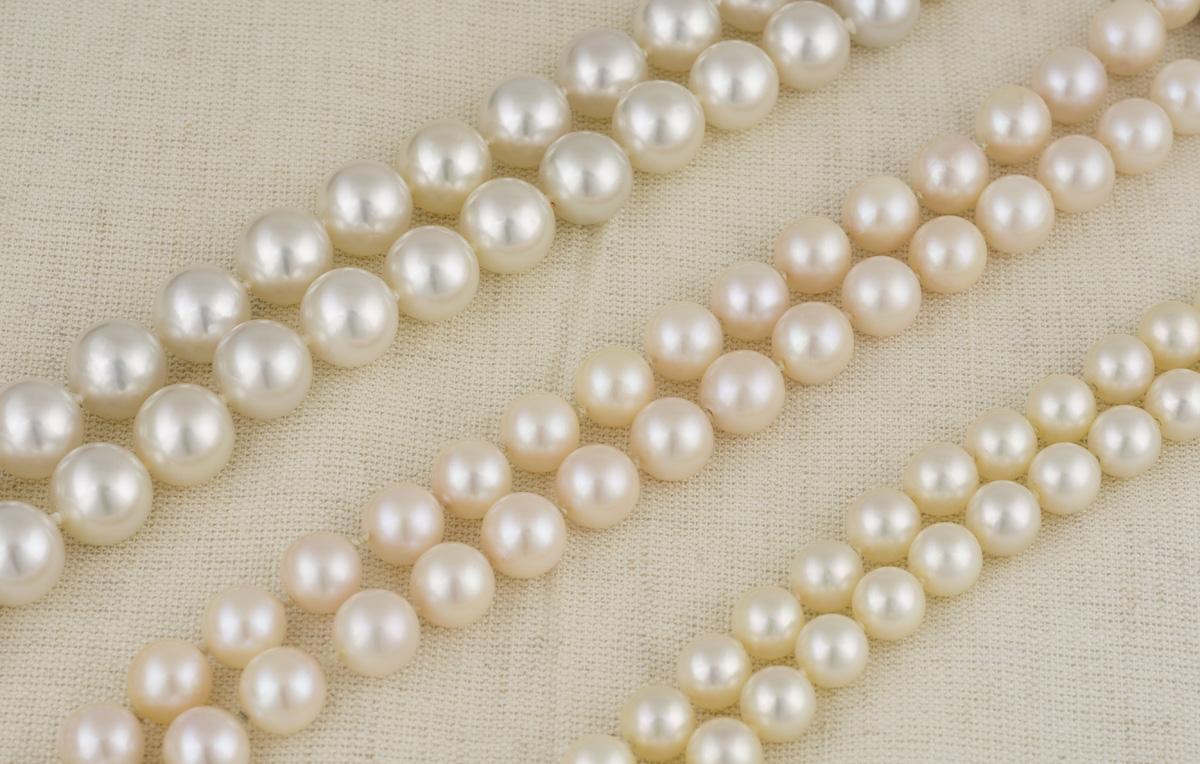
- Color: There are three components: bodycolor (dominant, overall color of the pearl), overtone (one or more translucent colors that lie over the bodycolor), and orient (iridescent rainbow colors that shimmer on or just below a pearl’s surface). Pearls come in a range of colors, from white to black, with many shades in between. The most valuable pearls are those with a pure, even color, such as white, pink, or silver.
- Luster: Luster is the intensity of light reflected from a pearl’s surface. Pearls with excellent luster have sharp bright reflections on the surface. Pearls with high luster are more valuable than those with a dull or cloudy surface.
- Surface Quality: Pearls commonly have blemishes or irregularities that are normally confined to the surface. Surface characteristics are judged by size, number, location, visibility, and the types of blemishes. Pearls with fewer blemishes are more valuable.
- Nacre: Nacre is the substance that makes up a pearl, layer after layer. Thickness is important when evaluating nacre quality to make sure that cultured pearls are durable as well as beautiful. Pearls with thicker nacre are generally more durable and valuable.
- Origin: The origin of the pearl can also affect its value. Pearls from certain regions, such as Tahiti or the South Sea, are highly prized and more valuable.
These seven factors should be taken as a whole when purchasing pearls. It is important to consider all of them to ensure that you are properly valuing a pearl or strand of pearls.
Care and Cleaning of Pearls
Unlike most gems, pearls are an organic creation which means that they require a little extra care to continue looking their best. With a Mohs hardness of 2.5, pearls are among the softest (most easily scratched) materials commonly used in jewelry. Follow these simple rules to help your pearls last for generations.
- Last on, First off: Pearls are vulnerable to chemicals found in hair spray, cosmetics, perfume, and cleaners. Put on your pearls last when getting ready, and take them off first when you get home.
- Clean Carefully: Wipe your pearls with a soft-cloth each time you take them off. Also be sure to wipe them immediately if any potentially acidic liquid touches them like fruit juice or household cleaners. Occasionally, clean your pearls with a cloth dipped in mild, soapy water. Then, rinse the cloth with fresh water, wipe the pearls clean, and dry them with a soft-cloth. Do not submerge your pearl strand in water (or other liquids) for cleaning because this can weaken the silk thread they are strung on over time.
- Store Safely: Pearls can be scratched by sharp objects like the metal and gems in other jewelry. They can also stretch out if they are hung for storage. Instead, lay each piece of pearl jewelry flat in its own compartment of your jewelry box.
- Wear Them: Pearls want to be worn. Storing pearls for long periods can cause them to dry out. So, enjoy them often! Keep in mind though that pearl rings in particular are not intended for everyday wear. Rings take more abuse than necklaces or earrings, so wear your pearls rings for special occasions to help them last.
- Restring Often: Even following all of these rules most pearl strands will stretch, loosen, and discolor over time. We recommend that you have your strand checked once a year. If the silk thread is starting to wear out, it’s best to have them restrung before it breaks.
Pearl Vocabulary
There is a lot to know when you are talking about pearls. Get up to speed quickly with these key terms and their definitions:
- Akoya
- Cultured pearls grown primarily in Japan and China.
- Blemish
- A flaw (scratch or abrasion) on the surface of a gem.
- Body color
- The basic color of a pearl
- Calcium Carbonate
- The main mineral component of a pearl’s nacre, or outer layer. Mostly calcite and aragonite.
- Cultured pearls
- Pearls cultivated by artificial insertion of a small bead, often made of mother-of-pearl and mantle tissue, into an oyster. Patented by Kokichi Mikimoto in 1916.
- Freshwater pearl
- A pearl produced by a fresh water mollusk.
- Luster
- A combination of the pearl’s exterior shine and glow from within. Created by light reflected from tiny crystals in the nacre.
- Mabe pearl
- Cultured pearls grown against an oyster’s shell rather than in an oyster’s tissue. The result is a semi-spherical pearl with a relatively flat back.
- Mantle
- Soft tissue located inside an oyster. Man-made pearls are formed when the mantle surrounds a surgically inserted nucleus.
- Mother of Pearl
- The iridescent lining of an oyster’s shell. Often used as a nucleus for a man-made pearl
- Nacre
- Pronounced nay-ker. The crystalline substance secreted by an oyster to form a pearl. The microscopic crystals of nacre refract light to produce a pearl’s color and luster.
- Nucleus
- The object which is artificially inserted into a pearl’s mollusk during the cultivation process. This becomes the center of a finished pearl.
- Overtone
- A hint of a secondary color (see body color)
- Orient
- The rainbow effect that seems to encircle a pearl’s surface.
- South Sea
- Large pearls created by tropical oysters. Grown in Australia, Myanmar, Indonesia and the Philippines.
- Surface markings
- Imperfections on the pearl’s surface. Often described as spots, blisters, or indentations
- Symmetrical
- A pearl with balance of form. Equal or corresponding characteristics on opposite sides.
Why Pearls
Pearls are unique in the jewelry world. Almost every over gem comes from an inorganic process of the earth. Pearls are the product of a living thing and are all the more beautiful and unique for it. They have been treasured throughout history, and they have earned their place as an essential jewelry staple that no collection is completed without.
If you are in the market for a fabulous new piece of jewelry, we would love to help. Feel free to contact us anytime, and our jewelry experts will help you find the perfect piece for you at a price that fits your budget.
