Search Results
Fine Jewelry University Articles matching: “Name necklace unreal gold”
Showing only FJU Article results. Click here to show all results.
Fine Jewelry University (Show All FJU Articles)
-
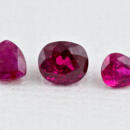
Gem in the Spotlight: Ruby
… is known as “ratnaraj” or “king of precious stones” in the ancient language of Sanskrit. Rubies get their name from the Latin word “ruber,” which means red. This is also where rubellite tourmaline (the red variety of tourmaline) gets its…
-
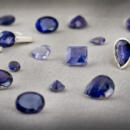
Gem in the Spotlight: Iolite
…of blue, blue-violet, and violet competes for public attention with sapphire, tanzanite, and amethyst. They may have name recognition, but iolite has a rich, unique color and great gem value on its side. It is more subtlety nuanced than …
-

How to Sell Your Jewelry
…are unsure of how to clean the jewelry or gem, let the professionals do it. Here are some cleaning tips. Never clean gold and gems in chlorine. Ammonia based cleaning products are used throughout the jewelry industry, but they can damage … toothbrush, then rinse thoroughly for most jewelry. A hard toothbrush and toothpaste or toothpowder will scratch gold and hurt some gems. The best cleaning tip is to know for certain the best cleaners to use on your jewelry and do it …
-
Frequently Asked Question about Jewelry
…. What is redesigned jewelry or redesigned? Simply put, a redesign is a custom design using your existing gems and gold or platinum. This does not mean you are limited by the gems you have, but what you have is incorporated into the new … see the Diamond Buying Guide . What is Filigree? Filigree is a delicate, complicated and detailed work made from gold or other noble metals. It is used to decorate and beautify jewelry by adding a graceful touch. Filigree was derived …
-
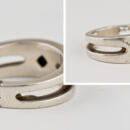
Jewelry Solder: What You Should Know
… we first have to understand metal alloys. If you haven’t already, now would be a great time to read our article on gold purity . Now you should know that the metals that make up our jewelry are actually a mix of multiple different metals… gold jewelry, but the same concepts also apply to silver and platinum as well. If your ring is made out of 14 karat gold, you know that approximately 56% of it is gold with the rest being made up by a variety of different metals like …
-
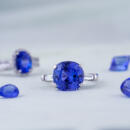
Gem in the Spotlight: Tanzanite
… of Tanzanite Tanzanite was originally discovered in 1967 in Tanzania, near Mount Kilimanjaro, by a Maasai tribesman named Ali Juuyawatu, although the credit often goes to an Indian prospector named Manuel de Sousa who Ali showed the … identification channels they found their way to the Henry B. Platt, the VP of Tiffany & Co. at the time, who named the stone tanzanite after the country of origin. Tiffany then started marketing the stone around 1968. The geological …
-
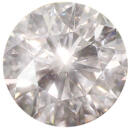
Diamond Buying Guide: The 4 C’s
… in will have a big impact on how it appears. If a diamond is in the colorless range (D-F), and it’s set in yellow gold, it may appear to be much more yellow than it is. Fancy color diamonds are a fun, non-traditional option. While …, type, and location of inclusions determine the grade. The fewer inclusions, the more valuable the diamond. Grade Name Explanation FL Flawless No blemishes or inclusions IF Internally Flawless No inclusions, only insignificant blemishes …
-
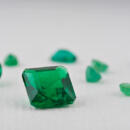
Gem in the Spotlight: Emerald
… Emeralds Trapiche emeralds are one of the most rare and highly sought-after types of emeralds in the world. Their name originated from traditional grinding wheels used for milling sugarcane in Colombia, where these unique gems are …and Mrs. O. Roy Chalk in 1972 and can be seen on display at the National Museum of Natural History in a platinum and gold ring surrounded by 60 pear-shaped diamonds. According to workers at the Muzo mine in Columbia, it is one of the …
-
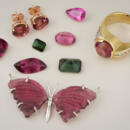
Gem in the Spotlight: Tourmaline
… is found in a huge variety of colors (sometimes even within the same gem), and some of these colors have their own names: Rubellite: is red, pinkish red, orangy red, or pink tourmaline. Indicolite: is dark blue, dark violetish blue, or … First World War as well as in extremely sensitive pressure gauges in submarines. History and Lore of Tourmaline The name tourmaline comes from the Singhalese word turamali, which means “mixed gems” owing to the fact that the gem can look…
