Search Results
Fine Jewelry University Articles matching: “Tiffany co”
Showing only FJU Article results. Click here to show all results.
Fine Jewelry University (Show All FJU Articles)
-
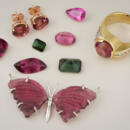
Gem in the Spotlight: Tourmaline
…likes of ruby or sapphire, tourmaline flies under the radar in the gem world and remains the best kept secret of gem collectors and connoisseurs who appreciate its unique properties and stunning array of colors. In fact, tourmaline is … makes it softer than topaz or sapphire and harder than tanzanite or opal. Tourmaline is found in a huge variety of colors (sometimes even within the same gem), and some of these colors have their own names: Rubellite: is red, pinkish …
-

What are “Blood Diamonds”?
Conflict diamonds are diamonds illegally traded to fund conflict in war-torn areas, particularly in central and western… “…diamonds that originate from areas controlled by forces or factions opposed to legitimate and internationally recognized governments, and are used to fund military action in opposition to those governments, or in contravention of …sometimes referred to as “blood diamonds.” In July 2000, the global diamond industry made clear to the international community its zero tolerance policy towards conflict diamonds. Dedicated to eradicating the trade in conflict diamonds…
-
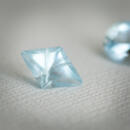
Gem in the Spotlight: Aquamarine
Aquamarine derives its name from the Latin which literally means “seawater,” a tribute to its beautiful blue color. As a member of the beryl family, Aquamarine has some illustrious cousins in addition to a rich history of its …. The Mythology of Aquamarine Long associated with tranquility and happiness, aquamarine was also thought to instill courage, cure laziness, and sharpen the intellect. The ancient Greeks used aquamarine often in jewelry believing it … the true spirit of the sea. aquamarine was believed to guarantee a happy marriage Best known for its beautiful blue color, aquamarine was used to bring happiness, eternal youth, and control passion. In the body, aquamarine was thought …
-
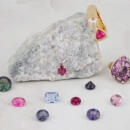
Gem in the Spotlight: Spinel
Spinel, the Great Imposter” sounds like the title of an action movie, but it could also be the title of this article. For years spinel has been confused with other gems and even today is often used… years, spinel has started to move out of the shadows and be appreciated in its own right, and we can see why. Its colors rival even the best rubies, sapphires, tourmalines, and other more popular gems. For only the 3rd time in the last… will be joining peridot as the August birthstone! This change was officially made in 2016, but only in the last couple of years have we started to see the majority of the industry get on board. If you know someone born in August, it’s …
-
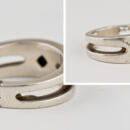
Jewelry Solder: What You Should Know
… should know that the metals that make up our jewelry are actually a mix of multiple different metals in different combinations called alloys. For the sake of simplicity, we will focus our discussion on gold jewelry, but the same … know that approximately 56% of it is gold with the rest being made up by a variety of different metals like silver, copper, nickel, and so on. Each of these other metals contributes some of their unique properties of the final alloy …
-
Learn Secret Diamond Buying Skills From a Professional Diamond Buyer
… on her finger for the first time. If there are any magic moments in life, that is one. Nothing expresses love and commitment like a diamond. This rare natural stone’s history and lore of romance makes all who receive one the center of … dollars worth in your pocket the standards to evaluate diamonds are extremely exciting. The four C’s of carat, cut, color and clarity determine a common comparison. They don’t set the price, just the basis to determine the price. In …
-
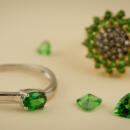
Gem in the Spotlight: Tsavorite Garnet
The discovery of Tsavorite in East Africa in the 1960s changed the jewelry world. Here was a gem with the color to rival the …, all with the time tested durability of garnet. Tsavorite is a unique form of garnet with a stunningly vivid green color. It is bright and lively with a high refractive index giving it excellent sparkle and scintillation. Tsavorite is … is around 200 times rarer than the much better known Emerald. Gemology Tsavorite’s rarity and beautiful green color reminds one of the other green garnet called Demantoid. Demantoid, however, is a completely different variety of garnet…
-

How to Sell Your Jewelry
… factors that determine the value of estate jewelry and the options to liquidating it. Does this mean you have to become a gemologist just to sell your jewelry? No. But some homework and note taking can mean a much higher price paid for…as new. Some people will never buy a previous owned engagement set for superstitious reasons. I have had clients who could have saved hundreds of dollars if they would have bought a preowned ring, but refused. Jewelry is a style driven …
-

Types of Jewelry Clasps
… learn more about them, this article is for you. History of Jewelry Clasps Jewelry clasps are a small but important component of many types of jewelry like necklaces, bracelets, and anklets. Clasps allow for easy attachment and removal … Egyptians and is the oldest known clasp style. This type of clasp was often made from softer metals like gold or copper and used to fasten necklaces and bracelets. The hook-and-eye clasp was also used by the Greeks and Romans who often…
