Search Results
Fine Jewelry University Articles matching: “Lab created alexandrite”
Showing only FJU Article results. Click here to show all results.
Fine Jewelry University
-
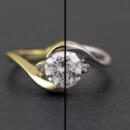
Star White Gold
…generally three grades of gasoline, regular (really the lowest), mid grade, and premium. In addition, not all gas is created equally. We have all had the experience of poor performance due to poorly made gas. White gold also has three grades… have sensitivity to the nickel in white gold. Star white gold has been evaluated by a leading independent testing laboratory. The Star White gold family of alloys does not require rhodium plating. They have been color tested by the …
-
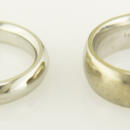
The Difference Between White Gold and Platinum
Do you prefer learning from videos? We created an in-depth video on the differences between white gold and platinum which you may like. The first difference …white, and does not need to be rhodium plated. This new alloy is called Star White Gold . It is still not widely available, so these paragraphs still apply to most jewelry, but Star White is different. Learn more… White gold is an … at higher temperatures. These and other reason make platinum more expensive to work with than white gold. So, the labor cost of platinum jewelry is more also. Want to see some real-life jewelry in these different metals? You can always …
-

Gem in the Spotlight: Topaz
…if more orange). Smokey Topaz: Brownish grey color. Blue Topaz: The most common color. A full range of shades is available from light Sky Blue to dark London Blue. Topaz is also found in less commonly known colors like green, pink, and … used to put coatings on lenses for glasses and cameras. It is also one of the processes that is used to create lab grown diamonds . A thin, multi-colored film is bonded on the surface of colorless topaz to create all the colors you see …
-
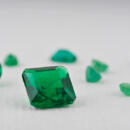
Gem in the Spotlight: Emerald
… add character and uniqueness to the stone. At this point in history, almost every emerald has had some level of treatment to make the fractures less visible. It is so common that if the stone doesn’t have a report from a reputable lab (like GIA) saying otherwise, it is assumed that it has been treated with some level of fracture filling. If you do come across an emerald that has a reputable gem report that says it hasn’t been fracture filled, you have come across …
