Search Results
Fine Jewelry University Articles matching: “Princess stone”
Showing only FJU Article results. Click here to show all results.
Fine Jewelry University (Show All FJU Articles)
-
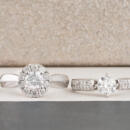
Anatomy of a Ring
… stone in between two straight pieces of metal on either side of it (this style is most commonly seen with square or princess cut diamonds). As you may have guessed, all styles of head can wear thin over time and may need to be built up by a … The gallery of a ring is a somewhat ambiguous term that refers to the underside of the ring beneath the center stone. There is often a design on the top part of the ring that is lifted up above the finger. In order to maintain the …
-
Learn Secret Diamond Buying Skills From a Professional Diamond Buyer
…The first component is simple. The cut can refer to the shape of the stone. Round, Marquee, Pear, Oval, Square, and Princess all describe the shape of the gem. Round diamonds are by far the most popular cut in diamonds under three carat. The … are any magic moments in life, that is one. Nothing expresses love and commitment like a diamond. This rare natural stone‘s history and lore of romance makes all who receive one the center of their universe. A diamond’s beauty energizes …
-
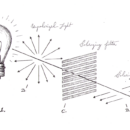
The Magic of Polarized Light
… Polarizing filters are critical to many fields of study. Without them, we wouldn’t be able to easily identify gemstones, TVs and monitors wouldn’t work in the same way, and the latest blockbuster movie wouldn’t pop off the screen the way … them to function efficiently as they do without negative side effects. Using Polarized Light in Gemology Some gemstones, due to their unique chemical structure, actually polarize light themselves. These gems are doubly refractive (DR) and…
-
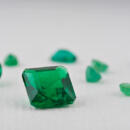
Gem in the Spotlight: Emerald
Springtime exudes life, full of bright colors and renewed energy. Emerald, May’s gemstone, captures this enthusiasm for life in rich elegance. This precious gemstone has been revered for over 4,000 years … quartz varieties. The refractive index of emerald ranges from 1.57 to 1.58, making it a moderately refractive gemstone. Its specific gravity ranges from 2.65 to 2.75. One of the distinctive features of emeralds is that they often contain … are referred to as jardin (the French word for garden) because they look like moss or a garden inside of the stone. These inclusions are tiny fissures, bubbles, or crystals that are visible to the naked eye. These inclusions are not …
-
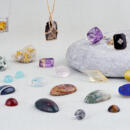
Gem in the Spotlight: Quartz
… at the title and knew). Quartz is one of the most common minerals on earth. Many quartz varieties are cut into gemstones, but some varieties are very rare. Some are ordinary like rock quartz, others are exotic like Drusy Quartz. Some …, microcrystalline and cryptocrystalline. Within each of these broad categories, the different colors of the gemstone are given different names. Below is a quick list to help you get a better handle on the vast diversity of quartz. Before …
-
The Birthstones
January’s Birthstone: Garnet January babies born in the midst of cold, white (valley fog) and at times stark surroundings are rewarded … long-lasting love, and prevents hearing difficulties. Learn more about Garnet and Tasvorite Garnet February’s Birthstone: Amethyst Amethyst, transparent purple quartz, is the most important quartz variety used in jewelry. Purple has long … in the ornamentation of Catholic and other churches in the Middle Ages. It was, in particular, considered to be the stone of bishops and bishops still often wear amethyst rings. The Greek work “amethystos” basically can be translated as “…
-
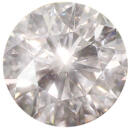
Diamond Buying Guide: The 4 C’s
…a diamond has two main components. First, cut refers to the shape of the stone. Round, marquise, pear, oval, square, princess all describe the shape of the diamond. Checkout the picture above to see examples of the most popular diamond shapes…diamond is cut to quality proportions (regardless of its shape) the maximum light is returned through the top of the stone giving a great light show. Cuts that are too shallow or too deep allow light to escape resulting in loss of …
-
Gem in the Spotlight: Alexandrite
… known around the world as one of the most sought-after gems for the better part of 200 years. But, what makes this stone so special? Gemology of Alexandrite Alexandrite is the extremely rare, color-change variety of a gem species called … of light very well, only transmitting green and red light. This means that depending on the light source the stone will reflect more of the accent colors of light. Since fluorescent light has a stronger greenish-blue component, the stone …
-
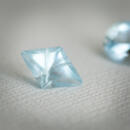
Gem in the Spotlight: Aquamarine
… to banishing fears and phobias. Aquamarine is a universal symbol of youth, hope, and health. In ancient times, the stone was said to aid seafarers. Sailors often wore amulets of aquamarine to give them courage and tame the ocean waves. …friends.” Another saying is, “to wear aquamarine earrings brings love and affection.” Aquamarine as a precious stone has always been popular. In ancient times, the aquamarine was believed to instill courage in those who wore them. Ancient…
