Search Results
Fine Jewelry University Articles matching: “emeralds spotlight”
Showing only FJU Article results. Click here to show all results.
Fine Jewelry University (Show All FJU Articles)
-
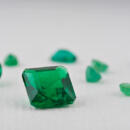
Gem in the Spotlight: Emerald
… has been revered for over 4,000 years and is associated with love, fertility, and rebirth. Gemology of Emerald Emeralds are a member of the beryl mineral family (along with morganite and aquamarine) and are valued for their rich green color… a moderately refractive gemstone. Its specific gravity ranges from 2.65 to 2.75. One of the distinctive features of emeralds is that they often contain inclusions. Sometimes these inclusions are referred to as jardin (the French word for …
-
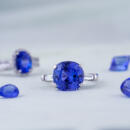
Gem in the Spotlight: Tanzanite
… deep hues of violet, indigo, and blue come together in an unrivaled blend only found in tanzanite. Yet, even with its rarity and dynamic look, tanzanite is still less in price than more commonly known gems like rubies, sapphires, and emeralds. Gemology of Tanzanite Gemologists refer to this gem as blue zoisite. The vast majority (current estimates are around 95%) of tanzanite is heat treated to help bring out the vibrant blues. The stones that haven’t been heated by humans…
-
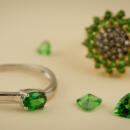
Gem in the Spotlight: Tsavorite Garnet
The discovery of Tsavorite in East Africa in the 1960s changed the jewelry world. Here was a gem with the color to rival the most exquisite emeralds and the clarity of the cleanest sapphires, all with the time tested durability of garnet. Tsavorite is a unique form of garnet with a stunningly vivid green color. It is bright and lively with a high refractive index giving it …
-
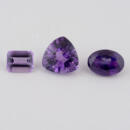
Gem in the Spotlight: Amethyst
… are an ability to quicken the intelligence, make the owner more successful in business, protect soldiers, assure victory, help hunters, guard against contagious diseases, and control evil thoughts. Amethyst was once as valuable as emeralds and rubies until very large deposits were found in multiple places around the world. Heavily increased supply dropped prices consistently over the last 200 years which is why, despite its beauty, amethyst is such an affordable stone …
-
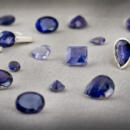
Gem in the Spotlight: Iolite
Iolite is maybe not the first gemstone people think of for their blue-violet jewelry, but it should be near the top of the list. Iolite’s color range of blue, blue-violet, and violet competes for public attention with sapphire, tanzanite, and amethyst. They may have name recognition, but iolite has a rich, unique color and great gem value on its side. It is more subtlety nuanced than amethyst and deeper than many tanzanites. Iolite’s name comes from its violet color. It is from the Greek word “ios” meaning violet. Unlike many
-
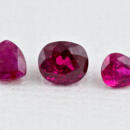
Gem in the Spotlight: Ruby
Ruby has been the most prized gemstone for much of human history. It's rich red color is spellbinding and it remains a symbol of power and success even to this day. It is a hard and durable gem that, with proper care, can be treasured for generations. It is also a useful gem as its unique optical properties made a crucial component in the world's first functioning laser. Let's dive in to the gemology, history, and lore surrounding the incomparable ruby.
-
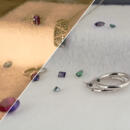
Gem in the Spotlight: Alexandrite
Emerald by day, ruby by night, more expensive than diamond and more illustrious than sapphire, emerald, or even ruby, alexandrite has been known around the world as one of the most sought-after gems for the better part of 200 years. But, what makes this stone so special? Gemology of Alexandrite Alexandrite is the extremely rare, color-change variety of a gem species called Chrysoberyl. It appears bluish-green in daylight, fluorescent light, and some LED light. Under incandescent light, candle, and firelight, alexandrite appears purplish-red. This is because of how the trace
-
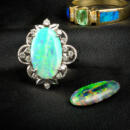
Gem in the Spotlight: Opal
Opal has been described as containing the wonders of the skies, sparkling rainbows, fireworks, and lightning. Its dazzling play of color is totally unique in the gem world, and the lore that surrounds it is almost as colorful as the gem itself. Opal is the traditional birthstone for those lucky enough to born in October, and it is found in a huge variety of colors (sometimes all within the same stone). Gemology of Opal Opal’s captivating dance of colors is a result of its unique internal structure. This gemstone is
-

Gem in the Spotlight: Topaz
Topaz is a gemstone with amazing variety. Topaz is naturally colorless and clear like a diamond, but it can also take on an entire range of colors. Yellow to reddish-orange is known as Precious Topaz or Imperial Topaz. Imperial Topaz is one of the expensive varieties of Topaz. Gem suppliers can even bombard Topaz in a nuclear reactor to produce various shades of Blue Topaz. Topaz is the birthstone for November, and they make great gifts for anyone born in November, or for anyone that just likes beautiful jewelry.
