Search Results
Fine Jewelry University Articles matching: “ring type”
Showing only FJU Article results. Click here to show all results.
Fine Jewelry University (Show All FJU Articles)
-
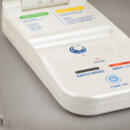
How to Tell If a Diamond Is Natural or Lab Grown
… upfront about their products. Some even laser inscribe all of their diamonds to clearly mark them as lab grown. The Type IIa Test That said, we would still like to be able to tell if a diamond is natural or lab grown, whether it is …available to help us do this. One of the best indicators of whether a diamond is lab grown is whether or not it is a Type IIa diamond. Type IIa is actually a gemological variant of the diamond that relates to how pure the carbon is that …
-
How to Sell Your Jewelry
… reasons. I have had clients who could have saved hundreds of dollars if they would have bought a preowned ring, but refused. Jewelry is a style driven industry. Some styles are classic and stay around for decades, others last just a few … it, or it could end up costing you a ton of money. Worn out jewelry impacts the value. It is a difficult repair to bring life back into a piece of jewelry. Most worn out jewelry is valued at its intrinsic worth. Jewelry looks it’s best …
-
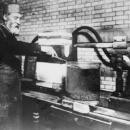
How Are Lab Grown Diamonds Made?
… needed for diamond formation are naturally found. We see diamonds closer to the surface of the earth when a rare type of deep volcano brings them up to where humans can find and mine them. The first successful synthetic diamonds were … very high pressure and temperature to grow the diamond. The 10.02ct HPHT Diamond Made by NDT. Thanks to IGI for sharing this video. The GE invention of the belt press uses an upper and lower anvil to generate pressure over 1.5 million …
-
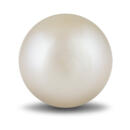
Gem in the Spotlight: Pearl
… that are made to look like pearls but are in fact a different material altogether (e.g. plastic, shell, or some type of composite). History and Notable Pearls Pearl is the traditional birthstone of June and is a favorite gem for weddings… changed hands many times, and was owned by several famous figures, including Napoleon III and Elizabeth Taylor. During Taylor’s ownership, the pearl was set into a necklace designed by Cartier, which also included diamonds and rubies. …
-
What to Do When Your Ring Irritates Your Skin
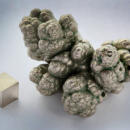
Nothing is more frustrating than being unable to wear your engagement ring or other jewelry because it irritates your skin. Don’t worry. There are many options you have when faced with this … and money trying different solutions if you don’t know what the true source of the problem is. There are two main types of irritation: 1) Physical irritation caused by the metal rubbing against the skin, and 2) allergic reactions to …but their root causes and solutions are very different. Physical Irritation This can be caused by the design of the ring, a rough area that is the result of normal wear and tear, or a ring that is not sized correctly. If the ring is too …
-
Caring for and Cleaning Your Jewelry
…. Some anti-bacteria cleaners can also degrade the solder used in jewelry, be careful of long exposure to these types of soaps (people in the medical professions especially). It is safe to use an ultrasonic cleaner with diamond jewelry. … get scratched by things like hard toothbrushes and dirt (most dirt ranges 4-8 on the Mohs scale). Several different types of settings hold diamonds in the jewelry. From time to time gently touch the stone to see if it moves. If the stone…
-
What Are Lab Grown Diamonds?
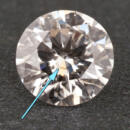
…, synthetic gem that actually has some diamond-like properties. For example, diamonds are especially good at transferring heat, and so is Moissanite. This is important because the most popular diamond testers use heat dispersion to test …, sterile environment, and natural processes vary abundantly. Therefore, the results are not perfect. There are many types of inclusions and structural signs that nature made a given gem. Lab grown diamonds, on the other hand, are made in…
-
Types of Jewelry Clasps
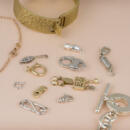
… them, this article is for you. History of Jewelry Clasps Jewelry clasps are a small but important component of many types of jewelry like necklaces, bracelets, and anklets. Clasps allow for easy attachment and removal of the jewelry and … was the simple hook-and-eye clasp which was used by ancient Egyptians and is the oldest known clasp style. This type of clasp was often made from softer metals like gold or copper and used to fasten necklaces and bracelets. The hook-and-…
-
The History of Diamond Cuts
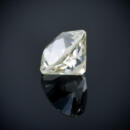
… experience to get the job done right. The point cut diamond is likely where the tradition of the diamond engagement ring began. Mary of Burgundy became the first to receive a diamond engagement ring. Archduke Maximilian of Austria gave … in the diamond being labeled a miss-cut (often causing it to be sold at a discounted price). It just depends on the type of cut and where the deviation from the “standard” facet pattern is. The next important diamond cut is the French …
