Search Results
Fine Jewelry University Articles matching: “Stones”
Showing only FJU Article results. Click here to show all results.
Fine Jewelry University (Show All FJU Articles)
-
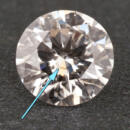
What Are Lab Grown Diamonds?
…not, by nature, a fake (in fact it is a beautiful and highly valuable gem). But if it is being sold as a diamond, it becomes a fake. Most gem simulants are trying to imitate diamonds, but there are also simulants for other valuable gemstones (sapphires, rubies, etc.). Here are some of the more popular diamond simulants. Synthetic Rutile was introduced in the late 1940s and used as an early diamond simulant. Next on the man-made diamond simulant play is Strontium Titanate…
-
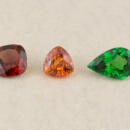
Gem in the Spotlight: Garnet
…midst of cold, white (valley fog) and at times stark surroundings are rewarded with one of the most varying birth gemstones…Garnet. Garnet’s pizzazz energizes the gloomiest day. Garnet varieties brighten the world in colors of yellow to … garnet crystals in rock reminded them of the shape and color of pomegranate seeds. Garnet is really a group of gemstones. The pyrope, almandine and spessartite are the red – brown to orange sometimes with a tint of violet varieties. The …
-

How Are Lab Grown Diamonds Made?
…but none could ever be scientifically verified. The quest continued. Diamonds are a crystalline form of carbon, and so making artificial carbon crystal was the problem of lab grown diamonds. For decades, manufacturers of synthetic gemstones tried growing diamonds like they grew rubies, sapphires, and emeralds. It failed. Then they had the idea to grow diamonds in the lab like they grew in nature. High Pressure High Temperature Diamonds How does nature form diamond …
-
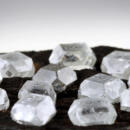
Is a Lab Grown Diamond Right for Me?
Picking a diamond for your engagement ring is a big decision. For most of us, buying a diamond is a significant financial undertaking, and we want to get it right. Unfortunately, understanding diamonds takes a lot of specialized knowledge that most people don’t have (anyone remember their refractive indexes from high school physics?). Even more unfortunately, the diamond industry suffers from a lot of misinformation and paranoia both from inside the trade and from outside observers. I have heard people say that natural diamonds come with a 400% mark up,
-
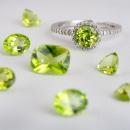
Gem in the Spotlight: Peridot
Peridot is a lovely yellow-green gem with a rich history. Legend has it that Peridot was the favorite gemstone of Cleopatra. The ancients called it the “gem of the sun”. It was believed that peridot could chase away evil spirits and dissolve curses but only when set in gold. Peridot is the birthstone for August. It is also the accepted anniversary gemstone for the 16th year of marriage. Peridot’s unique yellow-green color is very attractive. The name “Peridot” is simply a French word derived from the Arabic for green. Peridot’s
-
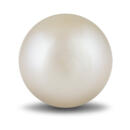
Gem in the Spotlight: Pearl
Pearls have been sought after and loved by people for hundreds of years of human history. In this in-depth article, we explore the science, history, and gemology of this incredible product of nature. Learn about famous pearls like La Peregrina, the seven value factors of pearls, the difference between saltwater and freshwater pearls, and much more.
-

How to Tell If a Diamond Is Natural or Lab Grown
How can I know if my diamond is real? This is a question we get all the time, and it’s not as simple as you might think. First, you have to decide what “real” means. If you are not familiar with lab grown diamonds, you might want to check out our introduction to lab grown and synthetic diamonds before continuing with this article. So, now you know that lab grown diamonds are just as real as natural diamonds, but we still want to be able to tell them apart. When
-
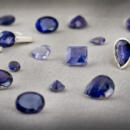
Gem in the Spotlight: Iolite
Iolite is maybe not the first gemstone people think of for their blue-violet jewelry, but it should be near the top of the list. Iolite’s color range of blue, blue-violet, and violet competes for public attention with sapphire, tanzanite, and amethyst. They may have name recognition, but iolite has a rich, unique color and great gem value on its side. It is more subtlety nuanced than amethyst and deeper than many tanzanites. Iolite’s name comes from its violet color. It is from the Greek word “ios” meaning violet. Unlike many
-
Synthetic Gems: The Whole Story
Synthetic rubies, emeralds, sapphires, diamonds and more are everywhere. Man made gems come in many forms: every thing from simple glass to high tech chemical tongue twister like gadolinium gallium garnet (also called GGG) and the modern diamond simulant moissanite. Synthetic gems are not bad, fakes, or the curse of a modern society. The more you know about them, the better you can understand their place in our society and in the jewelry world.
