Search Results
Fine Jewelry University Articles matching: “green gemston”
Showing only FJU Article results. Click here to show all results.
Fine Jewelry University (Show All FJU Articles)
-
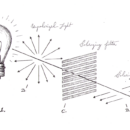
The Magic of Polarized Light
… Polarizing filters are critical to many fields of study. Without them, we wouldn’t be able to easily identify gemstones, TVs and monitors wouldn’t work in the same way, and the latest blockbuster movie wouldn’t pop off the screen the way it… allow them to function efficiently as they do without negative side effects. Using Polarized Light in Gemology Some gemstones, due to their unique chemical structure, actually polarize light themselves. These gems are doubly refractive (DR…
-
Synthetic Gems: The Whole Story
Synthetic rubies, emeralds, sapphires, diamonds and more are everywhere. Man made gems come in many forms: every thing from simple glass to high tech chemical tongue twister like gadolinium gallium garnet (also called GGG) and the modern diamond simulant moissanite. Synthetic gems are not bad, fakes, or the curse of a modern society. The more you know about them, the better you can understand their place in our society and in the jewelry world.
-
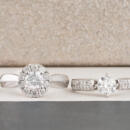
Anatomy of a Ring
… any bands or other rings you plan to wear next to the main ring? Head The head is the piece that holds the gemstone. Pronged heads are most common. The prongs are the little claws of metal that secure the stone. Most prong heads in rings …time and may need to be built up by a jeweler. When you are shopping, pay close attention to how the main diamond or gemstone is set. What style of head is used? What trade-offs are being made between security, design, and how much of the …
-
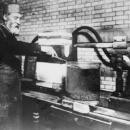
How Are Lab Grown Diamonds Made?
…, but none could ever be scientifically verified. The quest continued. Diamonds are a crystalline form of carbon, and so making artificial carbon crystal was the problem of lab grown diamonds. For decades, manufacturers of synthetic gemstones tried growing diamonds like they grew rubies, sapphires, and emeralds. It failed. Then they had the idea to grow diamonds in the lab like they grew in nature. High Pressure High Temperature Diamonds How does nature form diamond …
-
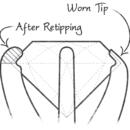
Jewelry Repair FAQ
… related questions. If you have a question that you don’t see answered here, please contact us and let us know. A gemstone fell out of my ring. Will the new stone match the old one? We get this question all the time. People want their … to again. What is retipping, and why do I need it? In a large number of jewelry pieces, the valuable diamonds and gemstones are held in place with prongs. With wear, the tops of these prongs can become worn down. If the prongs wear down too…
-
Gem in the Spotlight: Blue Zircon
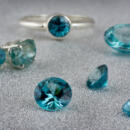
Zircon may be last in the alphabet of gemstones, but it is first in sparkle. The crystal structure of zircon creates one of the liveliest displays found in any … then other colored gems? Zircon has a high refractive index (1.92-2.01). The refractive index (abbreviated RI) of a gemstone is its optical property that refers to the ratio of the speed of light in a vacuum to the speed of light through a …. Brown zircons can be transformed into colorless or blue zircons through heat treatments. Zircon is a durable gemstone with good hardness on the Mohs scale (6 to 7.5). However, Zircon has what is known as indistinct cleavage which creates …
-
Gem in the Spotlight: Pearl
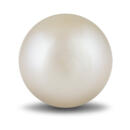
… from their saltier cousins. Tahitian Pearls: Also known as black pearls, Tahitian pearls are a type of saltwater pearl that are grown primarily in French Polynesia. They are known for their dark, rich colors, which range from dark green and gray to deep shades of blue and black. Tahitian pearls are generally large with an average size of 9mm to 18mm, and they commonly have baroque or irregular shapes. South Sea Pearls: Only a small percentage of oysters are able to …
-
Fake Diamonds: The Great Diamond Attack
… that are naturally lower color and making them more colorless. Next they can take a diamond and make them have intense colors. The colors they are making are somewhat unusual for the diamond trade. The common colors are a bright green and yellow/orange stones. Some call the colors antifreeze looking. Is this process a simple treatment of a natural stone or is it the manufacturing of a diamond using some natural elements? Regardless of way the industry calls it, I feel …
-
Gem in the Spotlight: Garnet
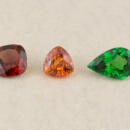
… midst of cold, white (valley fog) and at times stark surroundings are rewarded with one of the most varying birth gemstones…Garnet. Garnet’s pizzazz energizes the gloomiest day. Garnet varieties brighten the world in colors of yellow to … garnet lantern to navigate the Ark at night. The ancient world is full of praise for the carbuncle, the glowing red gemstone we now know as garnet. Early scientists named garnet from the Latin granatus, which means ‘seedlike’ because garnet…
