Search Results
Fine Jewelry University Articles matching: “Natural zircon ring”
Showing only FJU Article results. Click here to show all results.
Fine Jewelry University (Show All FJU Articles)
-
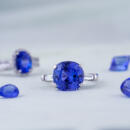
Gem in the Spotlight: Tanzanite
… treated to help bring out the vibrant blues. The stones that haven’t been heated by humans were heated through natural effects while they were still underground. Without heating, most tanzanite would be a brown color, similar to smoky … only found in one place on earth. In 2002 tanzanite was added as one of the birthstones for December alongside blue zircon, turquoise, and blue topaz. Tanzanite is believed to symbolize transformation and spiritual awakening. It is often …
-
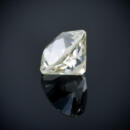
The History of Diamond Cuts
… to change their shape. So, the Romans wore uncut diamonds. One of diamond’s remarkable attributes is that the natural diamond crystal is beautiful without any human modification. Diamonds normally form in the octahedral shape which looks … like two pyramids stuck together at the base. Naturally, the first attempts to enhance diamonds were to polish the natural gem. The “point cut” is the polishing of a natural octahedral diamond. Interesting fact #1 about diamond cuts: …
-
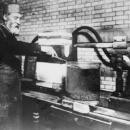
How Are Lab Grown Diamonds Made?
… Temperature Diamonds How does nature form diamond crystals? Nature does it very deep underground. Diamond growing naturally takes place about 100 miles below the earth’s surface. Why? Because that is where the conditions of extremely high …. Both HPHT and CVD diamonds tend to exhibit strong and unusual fluorescence characteristics when compared to natural diamonds. This fact, while not generally detrimental to the appearance of the diamonds, is quite useful when identifying …
-
Frequently Asked Question about Jewelry
…. They are making the diamonds both more transparent (whiter) and more colorful. Some colors are more vibrant then natural diamonds. Next, some are changing the clarity of diamonds with laser drill and fills. The new fills are getting harder… on the diamond. Color is actually looking for the absence of color or transparency. Clarity is inclusions and natural birthmarks of a diamond and is useful as identifying characteristics. For more information see the Diamond Buying Guide . …
-
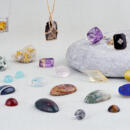
Gem in the Spotlight: Quartz
… and sometimes unattainably expensive? If you answered quartz to all these questions you would be right (but naturally you looked at the title and knew). Quartz is one of the most common minerals on earth. Many quartz varieties are cut into … is the “Berns Quartz,” named after the donors that donated it to the Smithsonian’s National Museum of Natural History. It is an 8,000 pound (yes you read that correctly) slab of natural clear quartz and is one of the largest clusters ever …
-
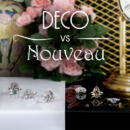
Art Deco vs. Art Nouveau Style Jewelry
… (1890 – 1910), Art Nouveau emerged as a rebellion against the academic art of the time. It sought to bring the natural world into artistic design, emphasizing flowing lines, asymmetrical forms, and motifs inspired by plants, flowers, and … adherence to symmetry and balance. Organic Forms: Art Nouveau jewelry features sinuous, curving lines that mimic natural shapes such as vines, flowers, and insects. Asymmetry is very common. Symbolism: Often imbued with symbolism and …
-
Gem in the Spotlight: Alexandrite
… of 8.5. Because of its high hardness, alexandrite is suitable for everyday wear. That being said, because of natural alexandrite’s tremendous value and rarity, it is recommended to be worn carefully or put in jewelry such as earrings or …is so famous, in fact, that color-change itself is often called “The Alexandrite Effect.” Stunning color change on a natural alexandrite. Alexandrite History and Lore Alexandrite was first found in the Ural Mountains in Russia in the 1830s. …
-
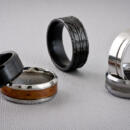
Alternative Metals for Men’s Jewelry
… you may want to choose one for your wedding band. Titanium Titanium is an excellent metal for wedding bands. It is naturally silver-white in color, but it can be treated to different colors. Titanium is very light weight which is its …is a great option with space-age tech for someone who wants a non-traditional wedding band. Zirconium Zirconium is a natural element which begins with a silver color. Zirconium is then heat treated and exposed which oxidizes it to a rich …
-
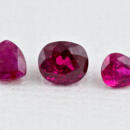
Gem in the Spotlight: Ruby
… rubellite tourmaline (the red variety of tourmaline) gets its name. Pliny the Elder mentioned rubies in his work Natural History, including notes on their durability, which means that their physical properties have been known well for over … the imagination of people for centuries. Whether you are a gem collector, a jewelry lover, or simply appreciate the natural beauty of the world, rubies are definitely a gemstone worth owning. If you are looking for a fantastic new piece of …
