Search Results
Fine Jewelry University Articles matching: “spotlight”
Showing only FJU Article results. Click here to show all results.
Fine Jewelry University (Show All FJU Articles)
-
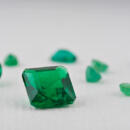
Gem in the Spotlight: Emerald
Emerald is a stunningly beautiful green stones in Beryl family. In this article we take a deep dive into the mythology, history, and science surrounding this incredible gem. You will learn about Nero's emerald sunglasses, Cleopatra's emerald collection, and the science of fracture filling gemstones. In the end, we can say that no jewelry collection is complete without a beautiful emerald.
-
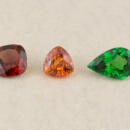
Gem in the Spotlight: Garnet
Garnet’s rich history and varieties demonstrate garnets are more than the little red gem. Garnets allow for great personal diversity and style. The wide world of garnets invites all to become a garnet fan. Garnet is January’s birth stone. January babies born in the midst of cold, white (valley fog) and at times stark surroundings are rewarded with one of the most varying birth gemstones…Garnet. Garnet’s pizzazz energizes the gloomiest day. Garnet varieties brighten the world in colors of yellow to gold, bright orange to true orange, brown to cinnamon,
-
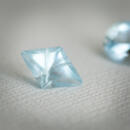
Gem in the Spotlight: Aquamarine
Aquamarine derives its name from the Latin which literally means “seawater,” a tribute to its beautiful blue color. As a member of the beryl family, Aquamarine has some illustrious cousins in addition to a rich history of its own. The Mythology of Aquamarine Long associated with tranquility and happiness, aquamarine was also thought to instill courage, cure laziness, and sharpen the intellect. The ancient Greeks used aquamarine often in jewelry believing it captured the true spirit of the sea. Best known for its beautiful blue color, aquamarine was used to
-
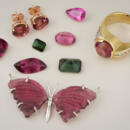
Gem in the Spotlight: Tourmaline
Tourmaline is a beautiful gem that comes in a huge variety of colors (sometimes even within the same stone). This article teaches you all about the history, folklore, and gemology of tourmaline including varieties like rubellite, indicolite, paraíba, and more. You'll also learn about California tourmaline and the unique piezoelectric property that has made tourmaline as useful as it is beautiful.
-
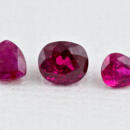
Gem in the Spotlight: Ruby
Ruby has been the most prized gemstone for much of human history. It's rich red color is spellbinding and it remains a symbol of power and success even to this day. It is a hard and durable gem that, with proper care, can be treasured for generations. It is also a useful gem as its unique optical properties made a crucial component in the world's first functioning laser. Let's dive in to the gemology, history, and lore surrounding the incomparable ruby.
-
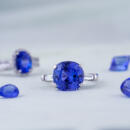
Gem in the Spotlight: Tanzanite
Beauty and rarity are two wonderful traits in a gemstone. Tanzanite has them both. In fact, it is estimated that Tanzanite is 1,000 times rarer than diamond. But, what makes Tanzanite so popular is its color. Tanzanite’s gorgeous color is a captivating mix of blue and purple. The deep hues of violet, indigo, and blue come together in an unrivaled blend only found in tanzanite. Yet, even with its rarity and dynamic look, tanzanite is still less in price than more commonly known gems like rubies, sapphires, and emeralds. Gemology
-
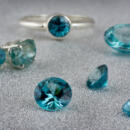
Gem in the Spotlight: Blue Zircon
Zircon may be last in the alphabet of gemstones, but it is first in sparkle. The crystal structure of zircon creates one of the liveliest displays found in any colored gem. In fact, before any of the manmade diamond simulates were made, the colorless version of zircon was used in jewelry to mimic diamond. Why? Natural zircon is known for its scintillation, brilliance, and flashes of color or fire just like diamond. Zircon also is known for its variety of colors. Blue zircon is the most popular color. But, zircon
-
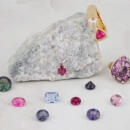
Gem in the Spotlight: Spinel
Spinel may be one of the most underappreciated gemstones in all of history. For centuries it has been confused with more popular gems like ruby and sapphire, and only recently have people begun to appreciate spinel for its own natural beauty. Commonly made in a lab spinel has been used a lower cost substitute for other gems, but natural spinel is actually a stunning gem in its own right. This in-depth article covers the gemology, history, and lore of this amazing and often overlooked gem.
-
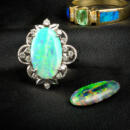
Gem in the Spotlight: Opal
Opal has been described as containing the wonders of the skies, sparkling rainbows, fireworks, and lightning. Its dazzling play of color is totally unique in the gem world, and the lore that surrounds it is almost as colorful as the gem itself. Opal is the traditional birthstone for those lucky enough to born in October, and it is found in a huge variety of colors (sometimes all within the same stone). Gemology of Opal Opal’s captivating dance of colors is a result of its unique internal structure. This gemstone is
